
Stone Engineering: Selection and Project Specifications
Stone is an engineering decision
In luxury projects, stone is not just a decorative material; it is a structural, visual and economic element. Resistance to moisture, frost, abrasion and UV, water absorption, finish type, thickness and joint details must all be analysed before purchase. Emerald stone engineering combines deep material knowledge with architectural and execution expertise.
On every project we first review space use, climate, budget and architectural style; then filter stone options against technical criteria and select slabs with precise sorting for colour and vein consistency. The result: faster execution, greater durability and lasting beauty.
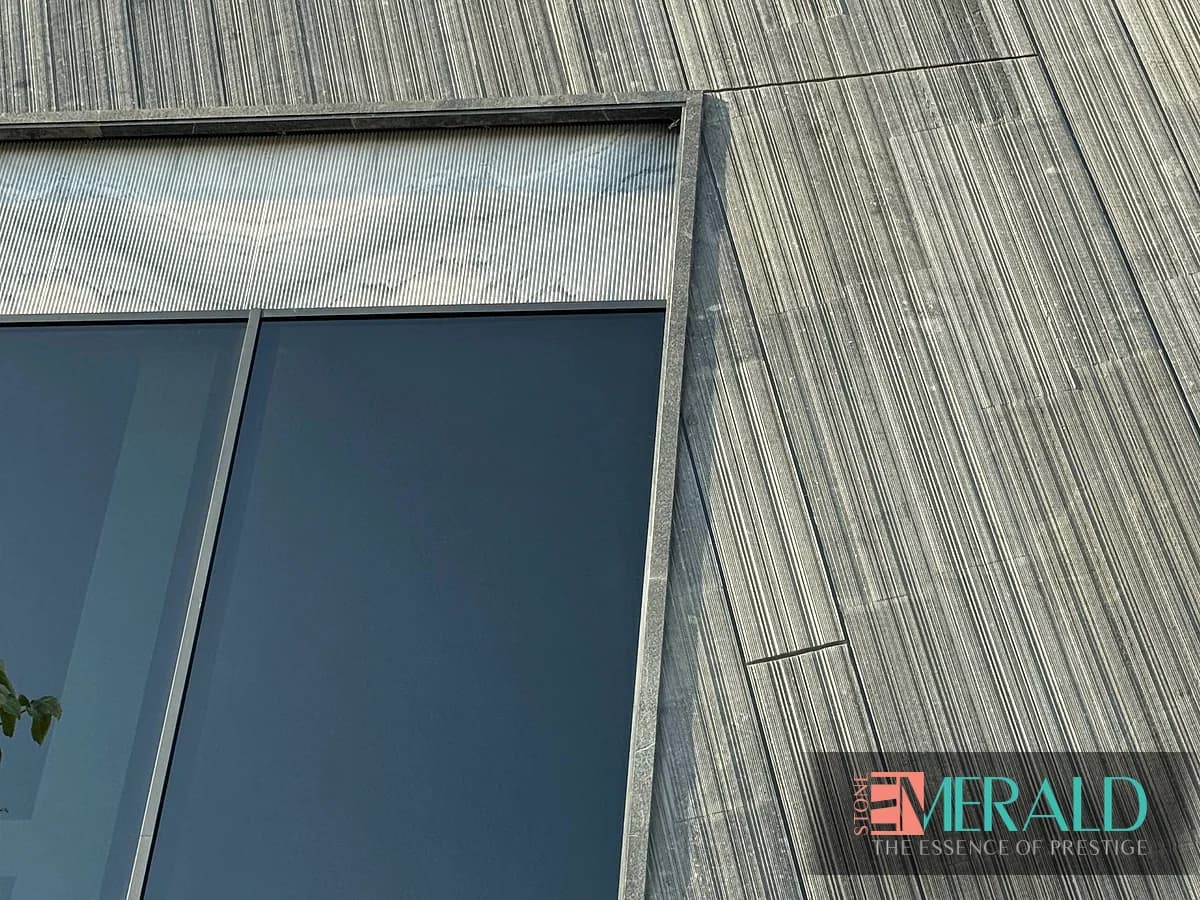
The Emerald stone engineering process
From the first consultation to final handover, every stage is controlled against technical and aesthetic criteria. This process applies equally to residential, commercial and export projects.
Project analysis
Reviewing architecture, climate, use and budget to determine the best stone options.
Material selection
Recommending stone based on resistance, water absorption, finish and design harmony.
Sorting & quality control
Selecting slabs with consistent veining, colour and texture for seamless visual execution.
On-site support
Technical team presence in the workshop and on site for correct installation and lasting delivery.

Stone engineering services
Technical & architectural consulting
Choosing the right stone for facades, floors, countertops and special spaces according to environmental conditions.
Execution detail design
Defining thickness, finish, joints and installation details for greater durability.
Quality control & sorting
Inspecting slabs before dispatch; guaranteeing colour and vein consistency across the project.
Support through handover
Coordination with contractor, supervisor and architect through installation and final delivery.
Why stone engineering matters
Wrong stone selection can lead to cracking, staining, colour change or extra execution costs. Stone engineering identifies and manages these risks before purchase.
- Reduced material waste and cost
- Increased durability and service life
- Visual consistency across the project
- Faster execution with pre-defined details
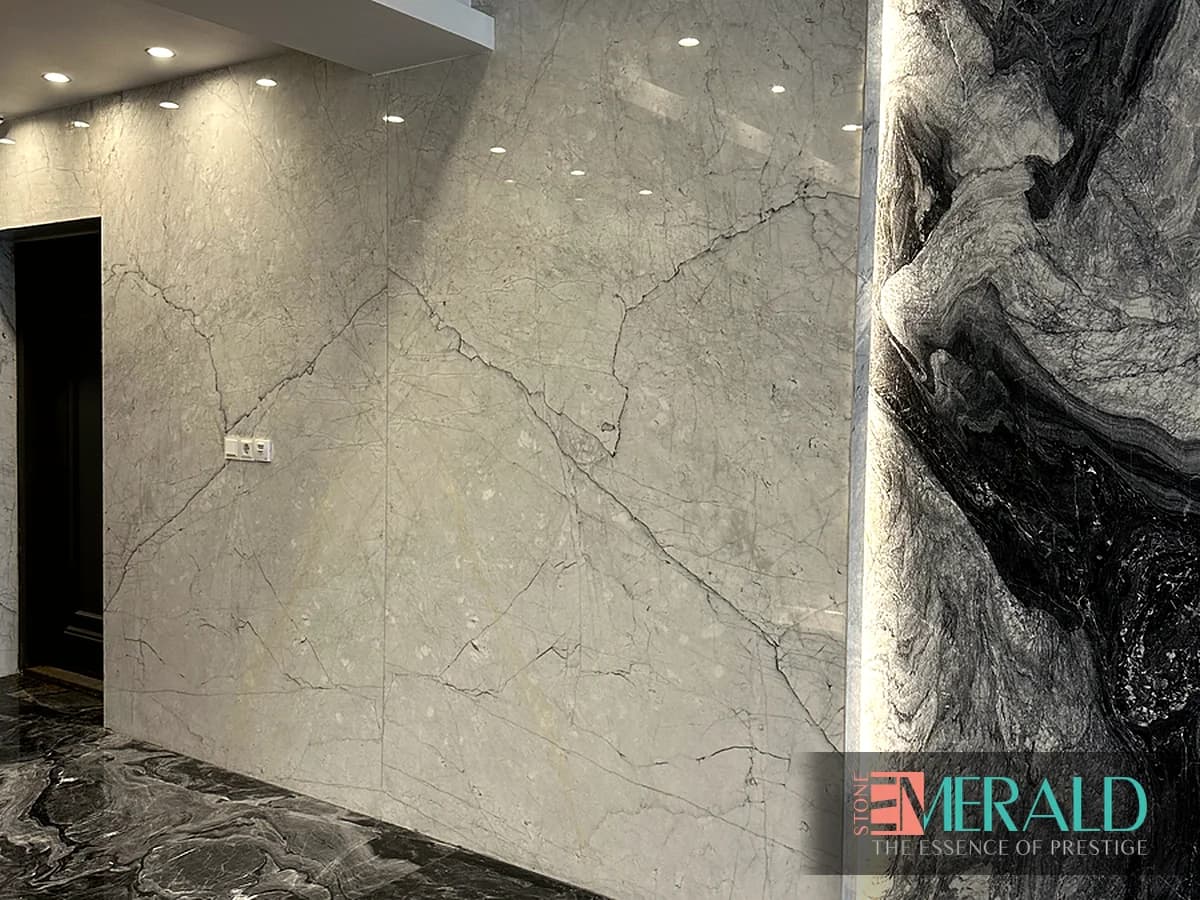
Stone engineering knowledge base
Practical guides for architects, contractors and project owners — from stone selection to technical specifications and installation.
Frequently asked questions
Answers to the most common questions from architects and clients about stone engineering and material selection.
How is stone engineering different from ordinary consulting?
Ordinary consulting often focuses on appearance and price; Emerald stone engineering analyses technical criteria — resistance, water absorption, thickness, finish, joints and climate — in one integrated framework and supports you through execution.
Is stone engineering needed for small projects too?
Yes. Even for small scopes such as countertops, stairs or courtyards, wrong stone choice can lead to cracking, staining or material waste. The engineering process can be scaled to any project size.
How is slab sorting done?
After selecting the stone type, slabs are classified in the workshop by colour, vein, texture and surface quality. A dedicated sorting batch is prepared for each project to minimise visual joints on site.
Do you support the installation phase?
Yes. Emerald's technical team coordinates with the contractor and supervisor to define installation details — grooves, joints, adhesive and sealing — before work starts and can attend the workshop or site when needed.
What should stone engineering deliver?
A useful consultation turns a broad preference into information that the project team can review. Depending on the agreed scope, this may include material options, reasons for selection, a reference sample, proposed formats and finishes, and a list of questions requiring testing or designer approval. These deliverables are not identical for every order. Material selection advice does not replace structural design, connection calculations or the responsibilities of the appointed installer.
Start with drawings or dimensions, the application, project location, approximate quantity and required timing. Separate confirmed requirements from assumptions still under discussion. This makes alternatives easier to compare and prevents a preliminary suggestion from being mistaken for a final production instruction. Agree who will approve the specification and which changes require a further review.
Reading a test report
First identify the sample: stone name, source or batch reference, sampling date, number of specimens and conditioning should be understandable. Absorption testing under ASTM C97/C97M and flexural testing under ASTM C880 examine different properties. A low absorption result is not a complete assessment of durability or anchorage. The average value should not be applied to every piece without considering the report and the demands of the project.
Orientation can matter in stone with a directional fabric. Ask whether the test conditions and the sampled material are relevant to the intended use and current supply. The method and acceptance criteria belong in the project specification. Naming a test standard on this page does not mean that every Emerald product has been tested to it or carries certification under it.
Facades and environmental exposure
An external stone panel belongs to a system that includes the substrate, supports, joints, drainage and accommodation of movement. Calling a material granite or travertine does not establish the adequacy of a particular panel. Size and thickness must be considered with the actual material properties, project loads and fixing arrangement. A single thickness recommendation cannot sensibly cover every height, span and exposure.
For freezing climates, resistance to freeze and thaw cycles deserves its own assessment; EN 12371 is a relevant natural stone frost resistance test method. Dark colour and a sealer are not substitutes for appropriate evidence and water management details. The responsible designer should establish which tests and acceptance criteria are needed for the site. Material advice should support that process without presenting an unverified installation detail as a universal solution.
Floors, stairs and surface finish
The dry showroom is only one condition in which a floor will be seen. Water, tracked dirt, cleaning products and traffic affect the finish selection and maintenance plan. Polished does not automatically mean better quality, and a visibly textured surface does not by itself establish slip resistance. Where slip performance is specified, the method and measurement conditions should relate to the intended setting.
An entrance transition may require different attention from the dry interior of a lobby. Stair edges, dimensions, support and installation details also matter alongside the material. In heavily used spaces, discuss wear, repair options and cleaning routines. The purpose is to choose an appearance that can be maintained under real use, rather than to select a stone solely because it is described as the hardest or most expensive option.
From drawings to cutting and layout
Special pieces should be based on identified dimensions and an approved drawing revision. Openings, corners, edge profiles and vein direction influence cutting yield. Bookmatched arrangements and continuous walls need particular attention to piece numbering and layout approval. There is no single waste percentage that accurately describes every project; additional material should be assessed from slab dimensions, pattern constraints and the possible use of offcuts.
Comparing prices per square metre without considering yield can be misleading. A small change to the module may reduce material consumption or simplify fabrication, but it should be discussed with the architect so the intended proportions are preserved. A cutting schedule becomes a practical reference between the supplier, designer and installer. Record any revision before cutting begins and keep the accepted version connected to the order.
Reference samples and dispatch checks
The approved reference should relate to the colour range and processing specified for the order. A small sample introduces the material but cannot confirm the pattern of a large feature wall. Batch photographs, several adjacent pieces and, where needed, a trial layout can help align expectations. Lighting and screens can alter perceived colour, so a sensitive approval should not depend entirely on an unqualified photograph.
Quantity, dimensions, thickness, finish, edges, visible damage and piece labels can be compared with the agreed specification. Acceptance or rejection criteria should be clear before delivery. Establish which records and checks are available for the individual order during the enquiry. A marketing image or a commercial grade name does not replace this comparison, and any unresolved difference should be recorded before it is accepted as part of the installation.
Plan for maintenance during selection
Travertine and many carbonate marbles are sensitive to acidic products. A cleaning method should suit the stone's composition and processing. An impregnating treatment may improve stain resistance in suitable circumstances, but it does not make a surface completely stain proof or provide general protection from acids or frost. Product selection and renewal should follow the manufacturer's guidance and the conditions of use.
Keep a record of the material, finish, applied products and cleaning recommendations at handover. If a mark develops, identifying its cause is more useful than trying an aggressive treatment immediately. Testing a suitable product on a small inconspicuous area helps assess its effect before wider application. Surface restoration also needs to take account of the specific stone and the nature of the damage, particularly where appearance varies across adjacent pieces.
Preparing an enquiry that can be assessed
Bring together the application, location, preferred material or appearance, quantity, dimensions, thickness, finish, delivery timing and destination. Explain the feature you like in a reference image: a quiet pale background, a strong vein direction or a particular texture. If the budget is limited or the dimensions can change, say so. This creates room to compare relevant alternatives instead of selecting by a product name alone.
For export orders, discuss packaging, piece identification, required documents and delivery responsibilities before confirmation. An initial estimate depends on the final specification and availability at the time of ordering. Use the contact page to introduce the project; the next step is to agree the scope of the review, identify missing information and decide which approval or sample is needed before moving forward.
Have a project in mind?
Contact the Emerald team for specialist stone engineering consultation.