
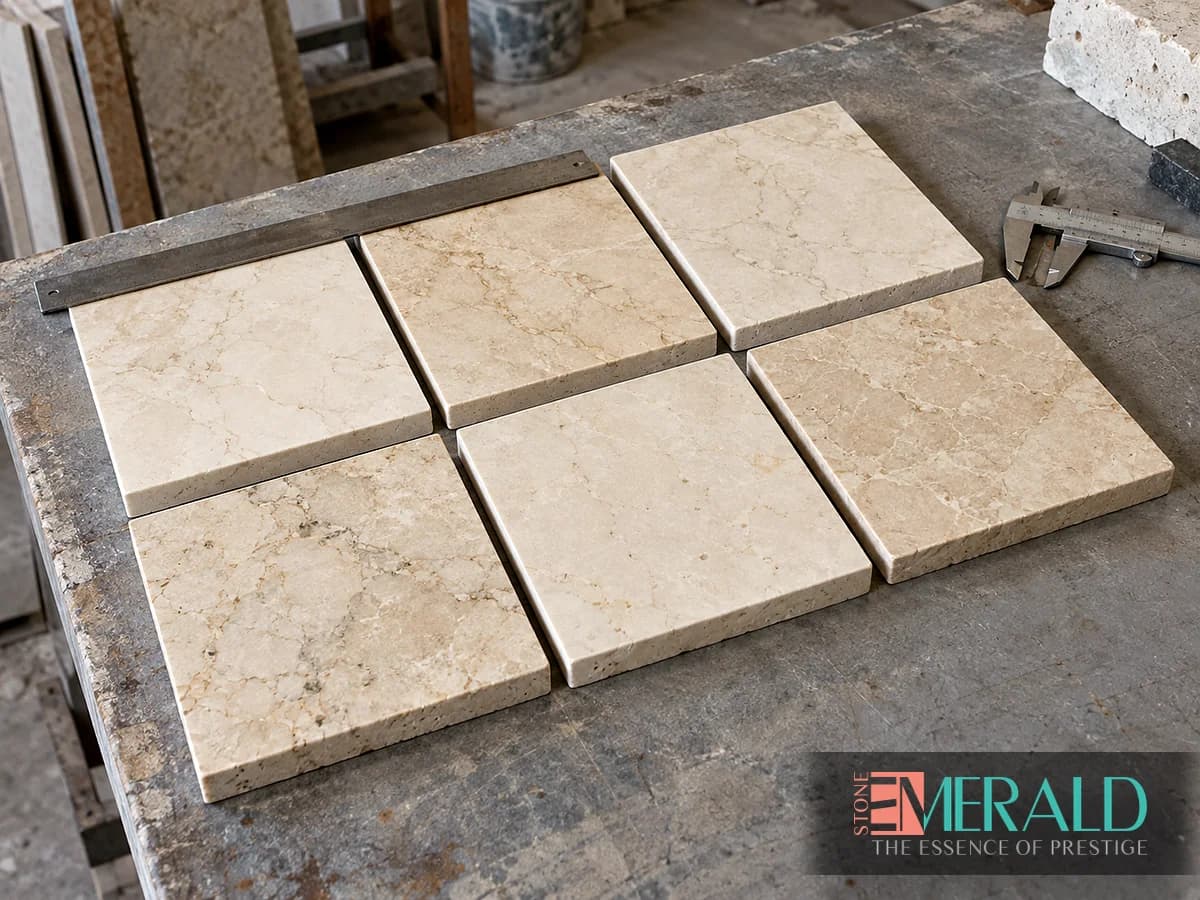
Five measurable parameters decide whether a stone suits a given use: water absorption tested to ASTM C97, compressive strength, Mohs hardness, nominal thickness with its tolerance, and dimensional stability. Typical absorption runs one to three percent for travertine, roughly 0.1 to 0.5 percent for marble, and below 0.3 percent for granite.
Related guide: Stone engineering and consultation
Water absorption and moisture resistance
Water absorption is among the most critical building stone technical specifications, directly affecting durability in wet interiors, rainy facades, and outdoor paving. Standard ASTM C97 testing measures absorption after drying and immersion. Travertine commonly reads 1–3%, marble roughly 0.1–0.5%, and granite below 0.3%.
Absorption percentage alone is insufficient; finish quality and waterproofing execution matter equally. A moderately absorbent stone that is resin-treated and expertly jointed may outperform a low-absorption stone with poor installation. At Emerald Stone we align spec sheets with the project's moisture map before supply approval.
Bathrooms, toilets, and kitchens need low absorption and non-slip surfaces. On facades, absorption control pairs with joint sealing and horizontal drip details. Requesting credible test reports from suppliers is your right and should be contractual on major projects. A short maintenance note tied to each finish also helps operations teams preserve performance after handover.
Compressive strength and load capacity
Compressive strength describes how much pressure stone withstands in a dry state. It matters for load-bearing floors, stairs, and vehicle zones. Natanz granite and other igneous stones typically exceed porous travertine on this parameter. The value should still be read with substrate design and expected loading pattern to avoid false confidence from a single number.
Floor design still depends on more than one number. Slab thickness, substrate quality, adhesive or mortar system, and expansion joints share the load story. Dehbid cream marble at 2 cm may suit a residential lobby perfectly while the same stone at 1.5 cm may be rejected for identical use.
On structural scopes, stone technical specs must match facade dead load and fixing design. Architects and engineers need to know how the specified stone behaves under wind, vibration, and temperature swing. Current quarry spec sheets raise contractual clarity and help procurement teams reject unsuitable batches before they reach the workshop.
Hardness, abrasion, and surface life
Stone hardness is often expressed on the Mohs scale and relates to scratch and wear resistance. Granite outlasts marble on busy commercial floors. Aligoudarz marble with tighter texture may be a balanced hotel-lobby compromise. The key is matching hardness to realistic traffic loads and maintenance expectations before final specification.
Finish changes the wear story: polished surfaces slip more under dust, while honed or textured finishes improve corridor safety. Building stone technical specifications should record both material hardness and specified finish so installers are not guessing on site. This combination prevents performance gaps between what was designed and what is actually installed.
Entries and outdoor paving need adequate hardness plus thickness. Soft, high-gloss stone scuffs quickly and raises maintenance cost. Data-led selection avoids early re-honing and premature replacement cycles. It also supports cleaner budgeting by reducing surprise maintenance interventions in early operation years.
Thickness, format, and dimensional stability
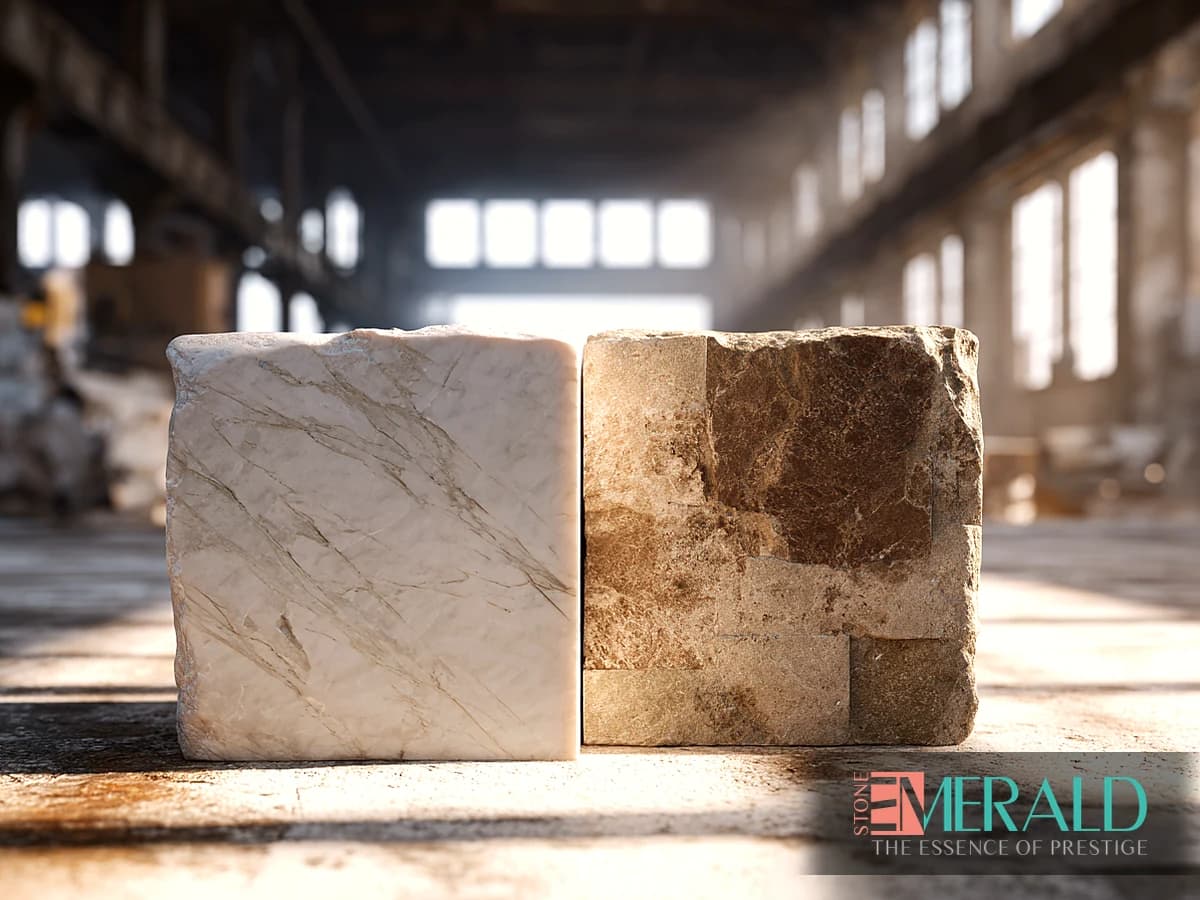
Standard floor slabs are commonly 2 cm thick; facades often run 2–3 cm, but fixing systems and building height drive the final call. Spec sheets must state actual batch thickness and acceptable tolerance — thickness drift across a project causes level faults and joint problems.
Dimensional stability describes how much stone moves after cutting and installation under temperature and humidity change. Some limestones need wider expansion joints. On tall facades, thickness alignment and flatness checks before fabrication are mandatory. Ignoring this behavior can cause joint stress, panel drift, and avoidable remedial work.
Larger slabs reduce visible joints but complicate freight and handling. Spec sheets should also declare maximum available size, cut direction, and pattern-matching potential. That information helps architects detail facade layouts with fewer surprises in the workshop. It also helps contractors plan lifting equipment and sequencing before materials arrive on site.
How to read spec sheets for decisions
Technical sheets are useful only when translated into project decisions. Start by grouping spaces into operational categories such as exterior facade, high-traffic flooring, wet interiors, and low-stress decorative walls. Then assign key acceptance limits for each category, for example absorption ceiling, minimum thickness, and required finish behavior. This method prevents random comparison across products that serve different performance needs.
Once limits are defined, align them with architectural drawings and contractor methods. A stone that passes absorption may still fail if anchor spacing, substrate movement, or edge detailing is incompatible with its behavior. Include designers, engineers, and procurement in one review session so everyone reads the same criteria before requesting quotations. Shared criteria reduce late substitutions and protect schedule reliability.
For procurement clarity, convert the chosen criteria into a contract appendix. The appendix should reference quarry source, grade, finish, tolerance, defect limits, and inspection workflow tied to approved samples. This approach turns technical language into enforceable quality control and reduces delivery disputes that usually appear when definitions remain informal.
Site testing before full installation
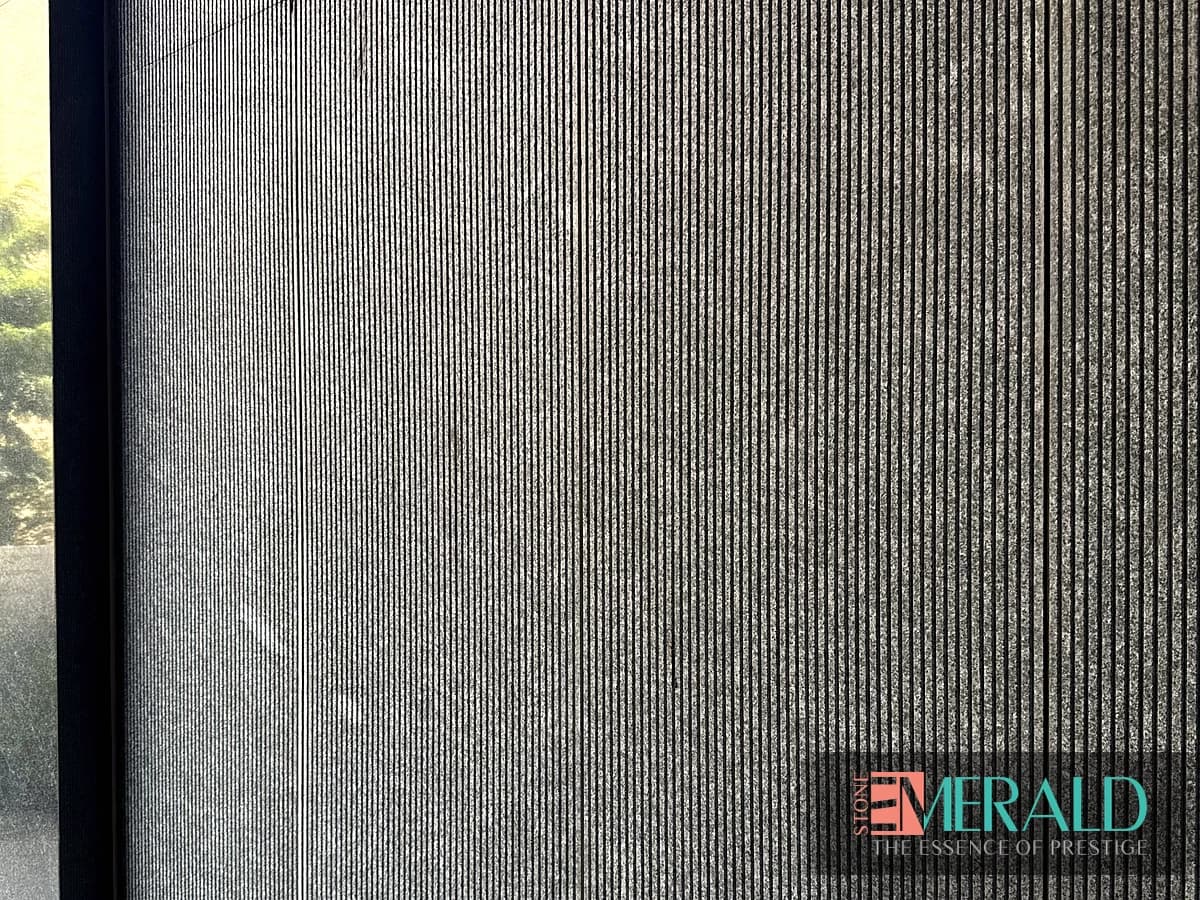
Before full installation, run structured checks on the first delivered bundles. Measure random slab thickness, verify flatness, and compare color and veining against the approved sample panel. Recording these checks with photos and signed notes creates objective evidence for acceptance. Early detection of deviations saves major rework once fixing crews scale up across multiple zones.
A small pilot installation is equally valuable on sensitive areas. Installing a limited section under real lighting and moisture conditions confirms whether the selected finish performs as expected for slip resistance, visual tone, and cleaning behavior. Some stones that look ideal in warehouse conditions react differently after adhesive curing or sealant application. Pilot runs expose those risks early.
Testing results should feed directly into the batch release plan. If tolerance drift or grading inconsistency appears, the supplier should correct sorting before dispatching the next lot. This feedback loop keeps quality stable over time and allows planners to adjust sequencing without halting the entire construction program.
Emerald Stone approach
At Emerald Stone, building stone technical specifications are validated through quarry and warehouse review — not copied blindly from brochures. For Aligoudarz marble, Dehbid cream, Natanz granite, and Kashmar travertine, detailed spec sheets and test samples are available to design teams.
If you need a product spec pack or guidance on which parameters govern your application, request a free stone engineering consultation. Our team translates raw data into project decisions you can defend in meetings and contracts, and supports technical alignment from sample approval through batch delivery.
| Stone type | Water absorption | Compressive strength |
|---|---|---|
| Kashmar cream travertine | 1–3% | Medium |
| Dehbid cream marble | 0.1–0.5% | Medium to high |
| Natanz granite | 0.1–0.3% | High |
| Aligoudarz marble | 0.1–0.4% | Medium to high |
Related products
Related projects
Frequently asked questions
What water absorption is acceptable for building facades?
On facades, travertine below 3% absorption can work with proper sealing, but joint design, resin treatment, and drainage matter more than the raw number alone. Humid climates demand surface protection and maintenance planning as well. Always read credible test reports alongside the supplier's execution recommendations.
Does Emerald Stone provide technical spec sheets?
Yes — core products and project orders include absorption, compressive strength, thickness, and application guidance. Major contracts can add pre-shipment batch testing. That transparency underpins trust between architects, owners, and suppliers. We can also align the sheet format with your project checklist for faster consultant review.
How do different stone specs affect selection?
Absorption and hardness gaps mean a stone perfect for a lobby may fail on a rainy terrace. Numeric comparison without application context misleads. Read specifications beside traffic analysis, climate, and fixing design for durable choices. This combined reading usually removes risky options before procurement cost is committed.
What is standard thickness for floors and facades?
Interior floors are commonly 2 cm; facades often 2–3 cm depending on height and anchors. Contracts should state nominal thickness and tolerance. Mixed thickness within one delivery creates serious installation conflict. Confirm thickness at pre-shipment inspection so leveling problems do not reach site installation teams.
How do I align technical specs with construction drawings?
Extract each zone's use from architectural drawings, then filter critical parameters: absorption for wet rooms, hardness for busy floors, thickness for facades. Compare product spec sheets against that list. Emerald Stone performs this alignment in consultation sessions. The output can be issued as a contract appendix that supports clear quality checks.
Free stone engineering consultation
Emerald Stone's engineering team helps you select the right stone for your project scope, budget, and execution details.
Request free consultation