
Emerald Stone at IBBI 2026: Nature Art and Meetings in Tehran
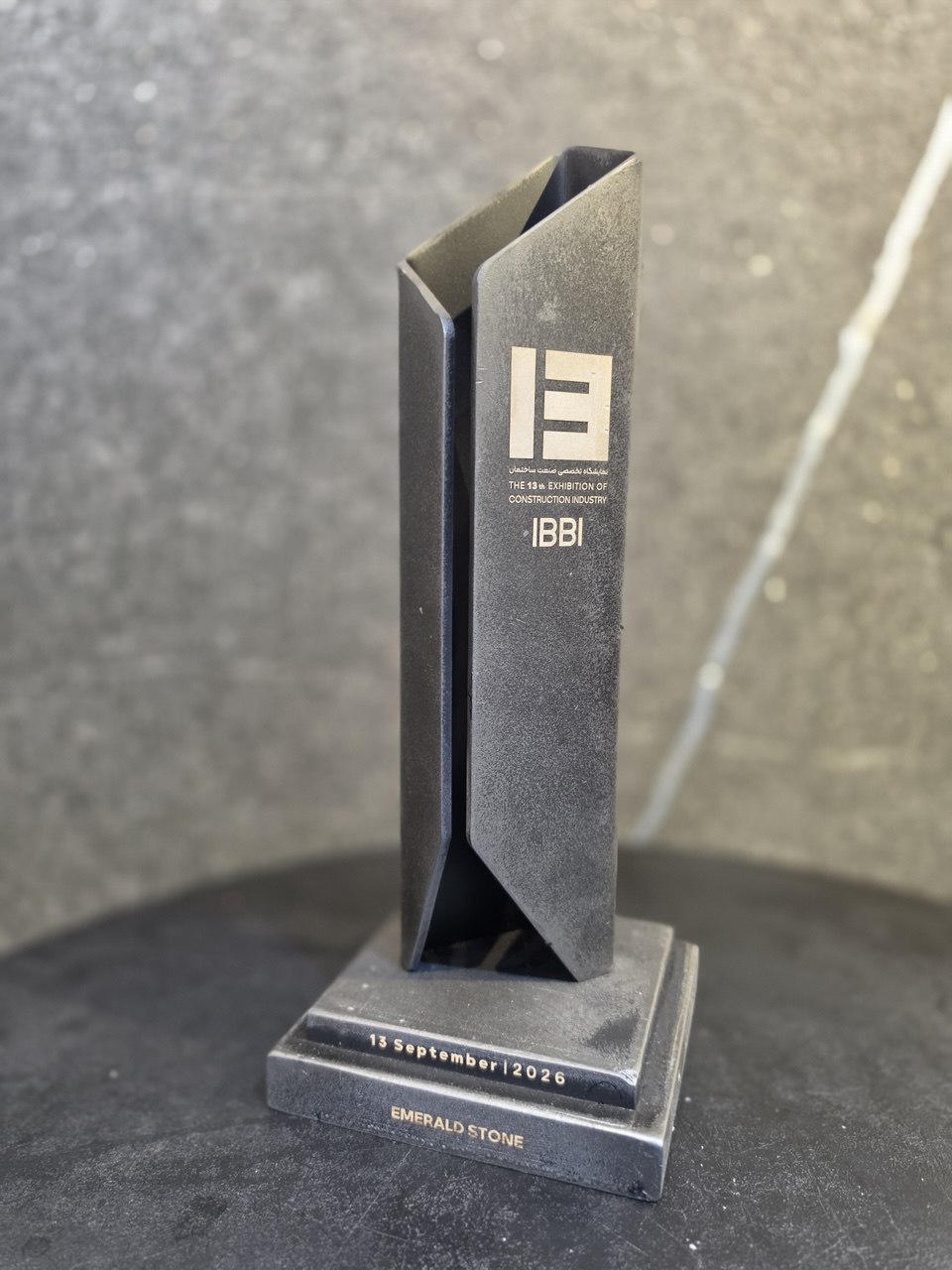
Choosing stone for an architectural project involves more than a colour or a product name. Architects need to examine texture, finish, material combinations and how a sample might work in a real setting. Developers also need information that turns an initial preference into a practical specification. Emerald Stone at IBBI 2026 offered an opportunity to present samples and meet construction professionals. Among the products introduced, Nature Art expressed a particular approach to combining stone and metal: reworking natural veins with an alloy selected for the stone being used. This report explains the idea behind that approach, records visits to the stand and sets out the questions architects and developers should ask when evaluating such a product for their projects.
Emerald Stone at IBBI 2026: the exhibition and our participation
When and where was the exhibition held?
The 13th IBBI specialised construction industry exhibition took place at Milad Tower, Tehran, from 13 to 16 September 2026 (22–25 Shahrivar 1405 in the Iranian calendar). The dates and venue also appear in the exhibition report. Emerald Stone's participation gave visitors an opportunity to examine samples and speak directly with the team.
For architects and interior designers, a construction exhibition is a chance to compare a material's actual surface with its catalogue image. For developers, that encounter becomes more useful when followed by sample specifications, an understanding of application limits and confirmation of supply options.
What does this report cover?
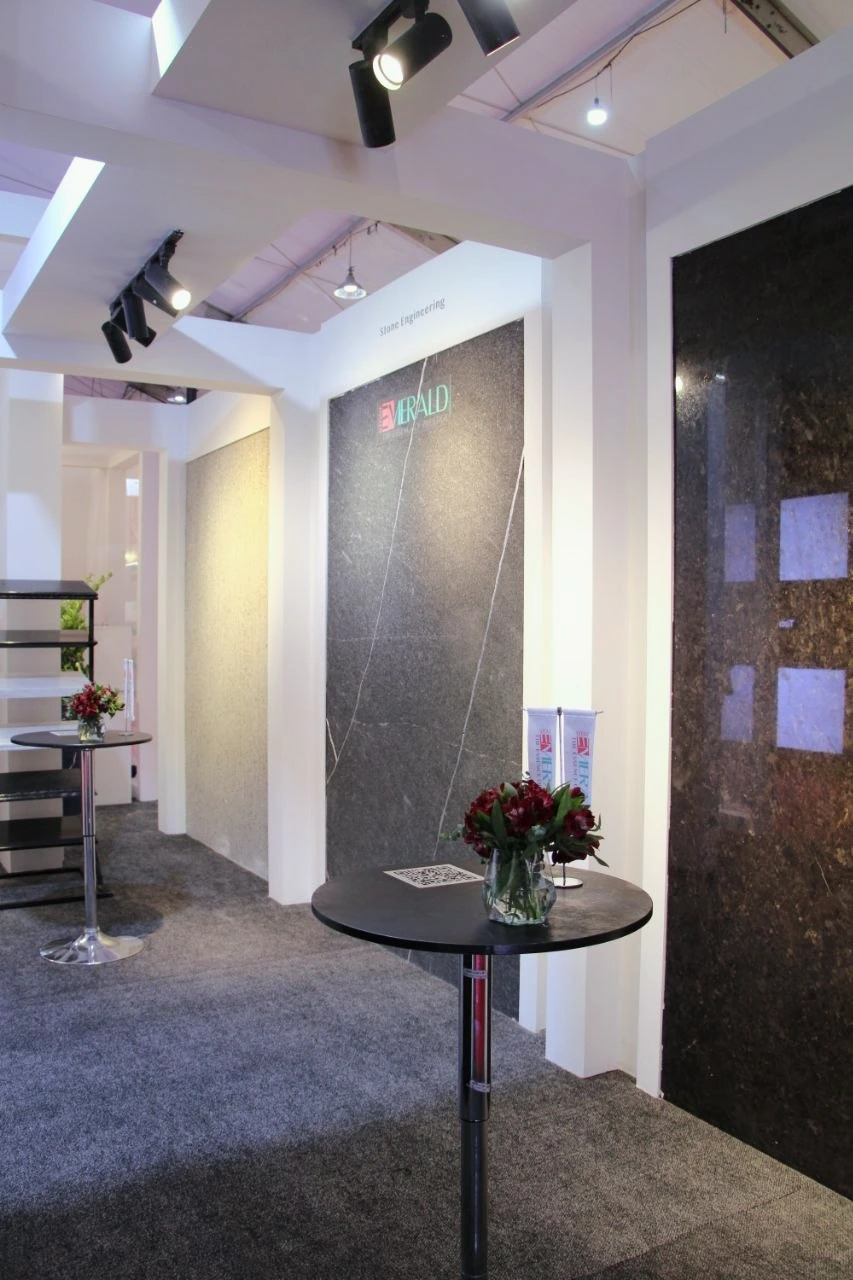
This account focuses on three subjects: introducing Nature Art, documenting visits to the stand and explaining practical criteria for selecting stone. The photographs belong to this exhibition appearance. Names in the captions follow Emerald's event archive.
- Product concept: combining stone and metal along natural veins.
- Professional visits: meetings with Construction Industry Association members, architects and other industry professionals.
- Project follow-up: information to review before selecting a sample or placing an order.

Emerald Stone at IBBI: what is Nature Art?
A concise definition of Nature Art
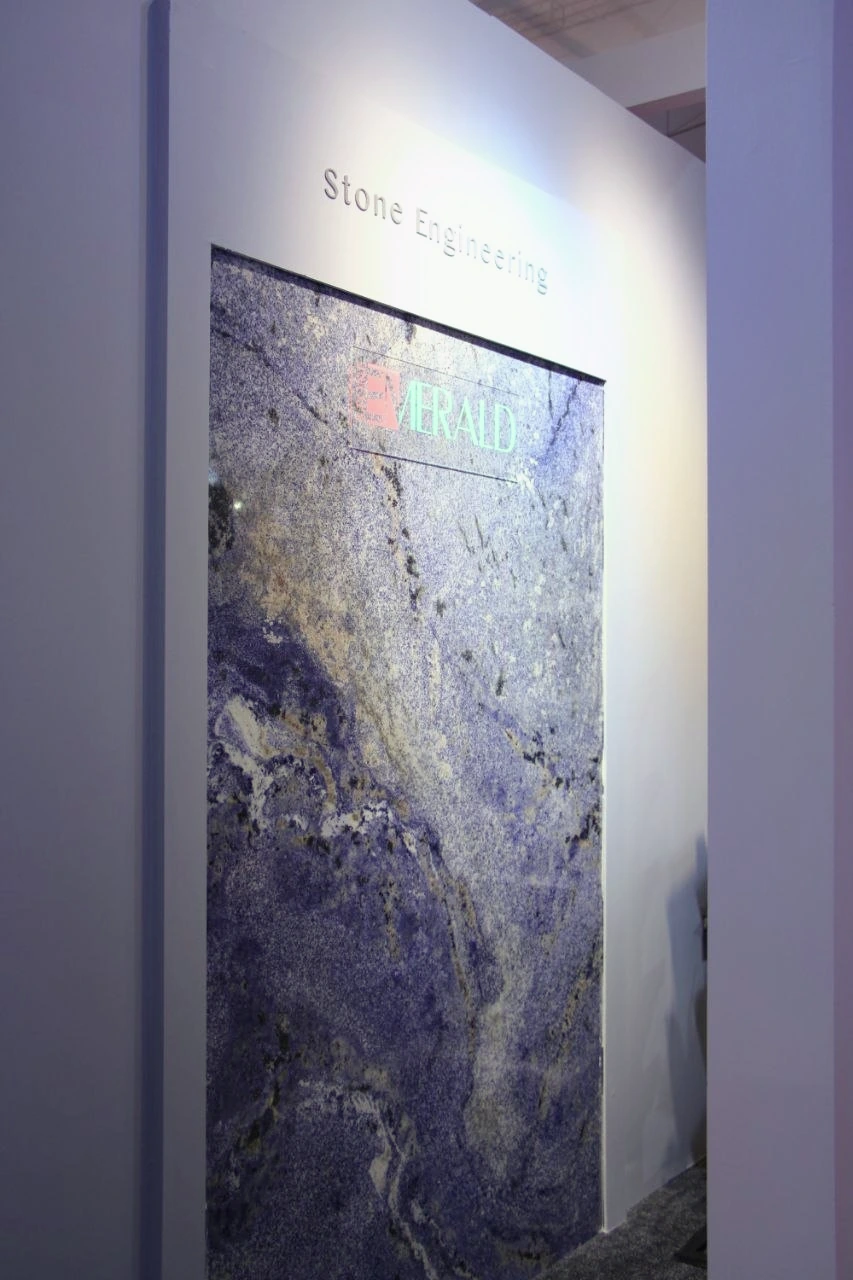
Nature Art is Emerald's approach to reworking natural stone veins with metal. The vein pattern becomes part of the finished product's visual expression, with an alloy selected for each type of stone used. Every sample should therefore be assessed as a particular combination of stone, alloy and finish.
At the exhibition, Nature Art invited visitors to explore the relationship between these two materials. Browse our building stone collection for the stone families available, and request the specifications of the particular Nature Art sample separately from the Emerald team.
Why the name Nature Art?
The name refers to the role of natural veins in a stone's identity. In Nature Art, these paths guide the design and reworking process. Metal connects the original stone structure with a deliberate design intervention. Differences in pattern and vein direction are consequently important characteristics of individual pieces.
The idea draws inspiration from the filling of fractures and veins in nature, but the manufacturing process is not identical to every geological process. Many mineral veins form through precipitation or crystallisation from hydrothermal fluids. The US Geological Survey's explanation of hydrothermal activity helps clarify this distinction. In Nature Art, adding metal is part of the production method described by Emerald.
What does selecting an alloy for the stone mean?
According to the Emerald team, an appropriate alloy is selected for each stone used in this product. That does not mean that every sample has the same composition or is suitable for every environment. The alloy, finish, interface details and maintenance recommendations need to be specified for the individual sample.
When following up after IBBI, include a photograph or reference code of the sample. This reduces confusion between visually similar pieces and makes discussions about appearance, dimensions and intended application more precise.
From viewing a sample to specifying stone for a project
How should colour, texture and details be assessed?
Seeing building stone at IBBI is a starting point. Stand lighting, viewing distance and neighbouring materials affect the perception of colour and reflections. Before making a final choice, examine a sample under lighting close to the project's conditions, alongside materials such as timber, glass or metal. A photograph alone is not a definitive colour reference.
- Sample identification: product name or code and the base stone type.
- Dimensions and surface: size, thickness and finish.
- Piece composition: vein direction and the extent of the metal treatment.
- Viewing conditions: appearance under lighting appropriate to the project.
- Variation: the expected range of visual differences between ordered pieces.
How is suitability for an application determined?
Interior walls, flooring, façades and decorative pieces have different requirements. Façades require attention to climate and fixing methods; flooring brings wear and slip resistance into consideration; wet environments raise questions about water exposure and cleaning. An attractive display sample does not, by itself, establish suitability for all of these uses.
Depending on the application, tests such as water absorption, flexural strength and abrasion resistance may form part of the assessment. The Natural Stone Institute's testing guidance describes relevant evaluations. This reference does not indicate that Nature Art samples have undergone those tests or hold certification.
For a building-envelope application, consult our stone façade guide alongside the sample information. Our stone engineering section provides additional context on services related to material preparation and installation.
What information is needed before ordering?
To turn an exhibition conversation into a clear enquiry, provide the intended location of use, approximate area, preferred dimensions and required delivery timeframe. Then clarify the reference sample, acceptable visual variation, availability, installation responsibilities and maintenance instructions.
Consider a hypothetical lobby design: liking the combination of stone and metal is only the first step. Panel sizes must be coordinated with wall drawings, while joints, fixing details and the relationship with lighting need review. The example illustrates how visual selection and practical detailing complement one another.
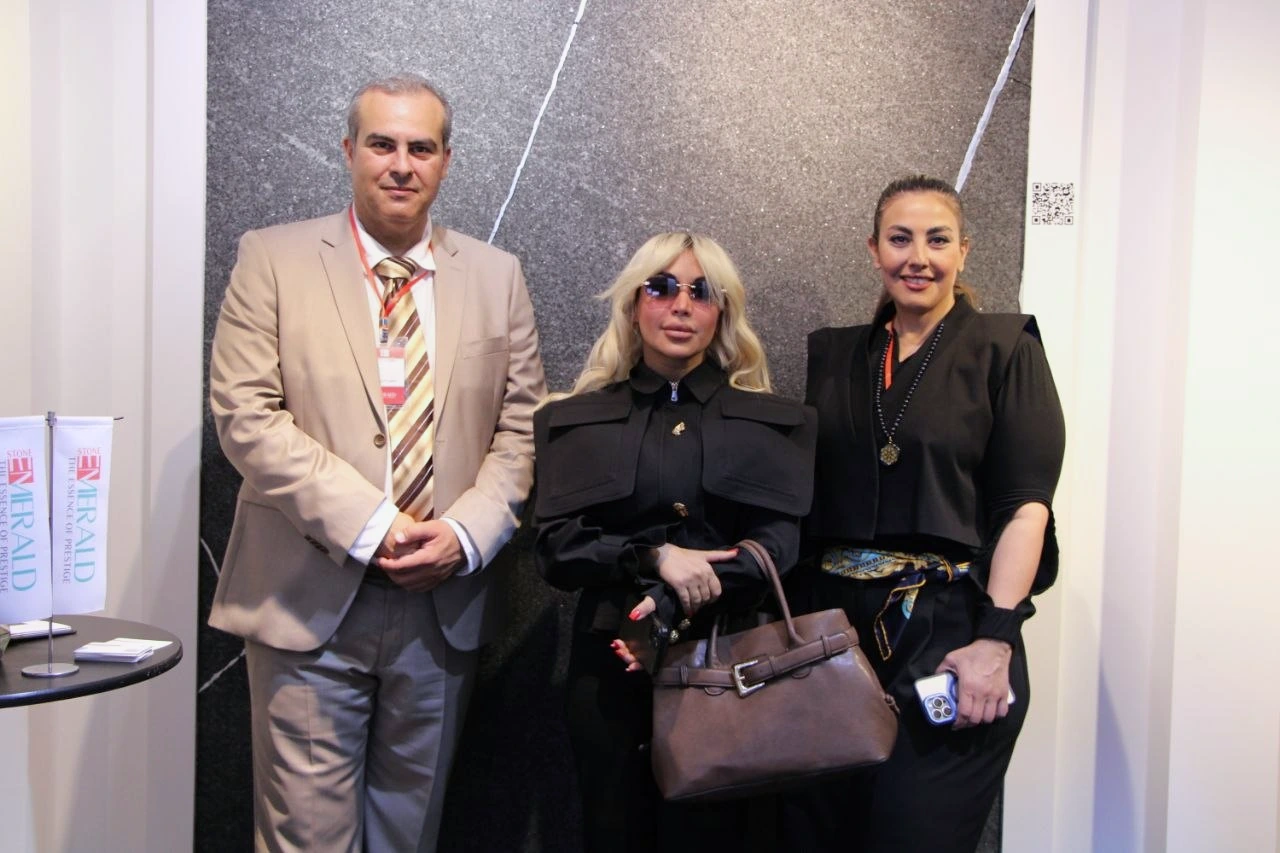
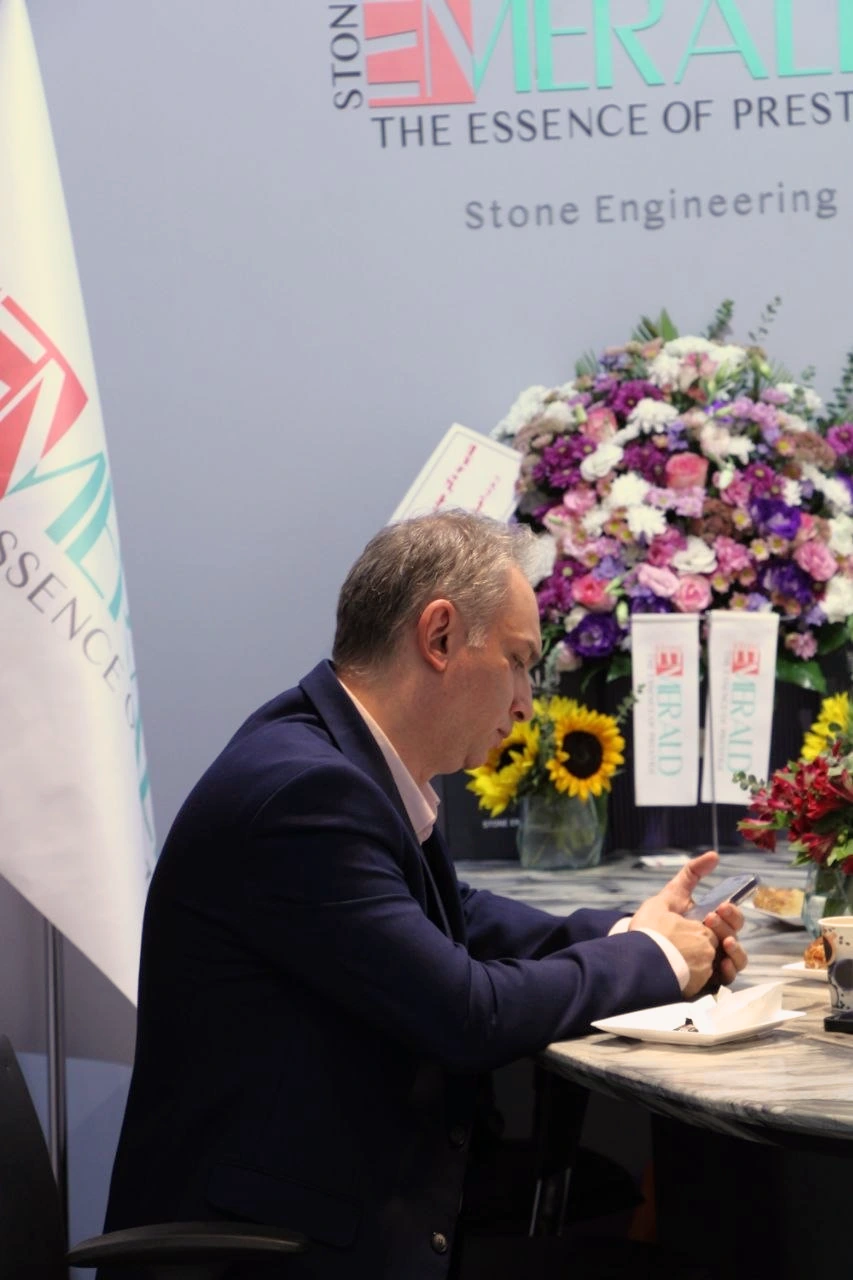
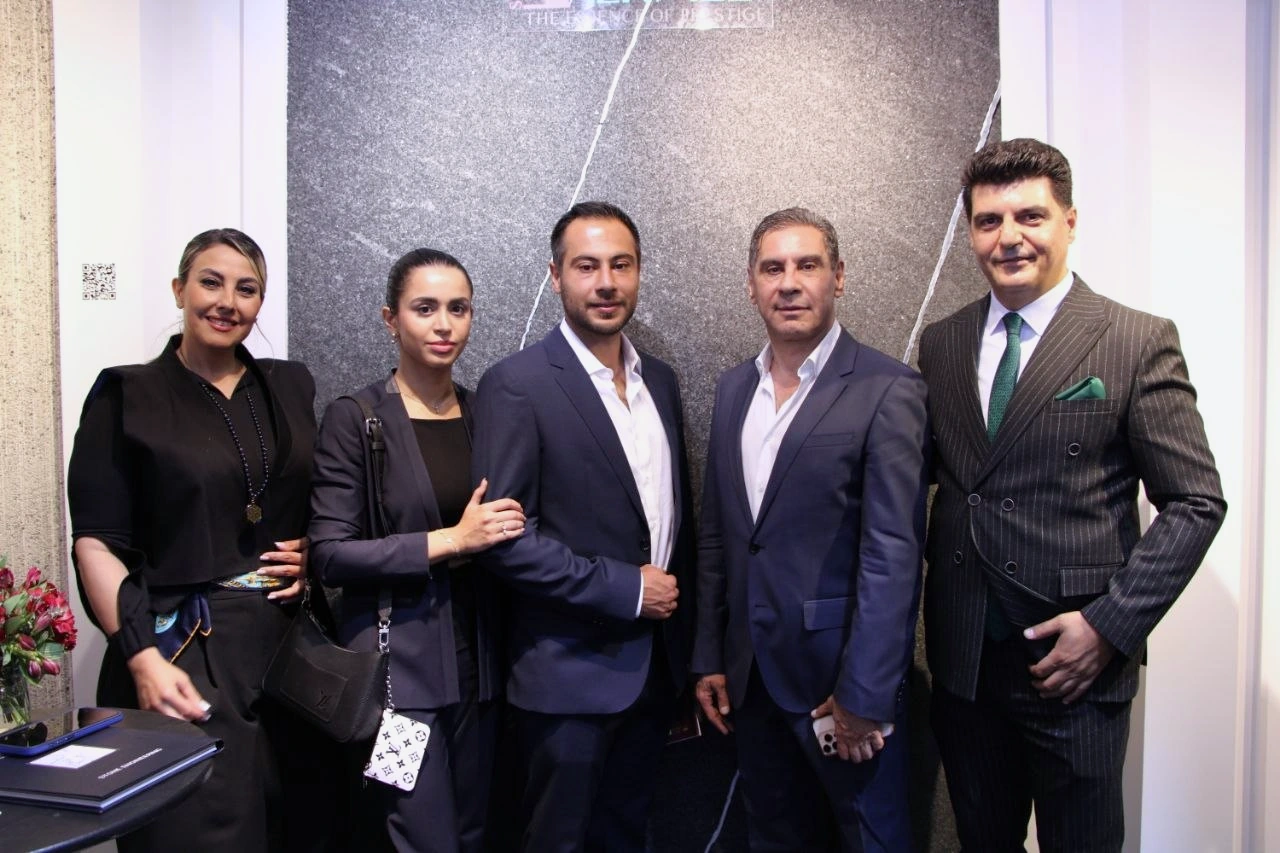
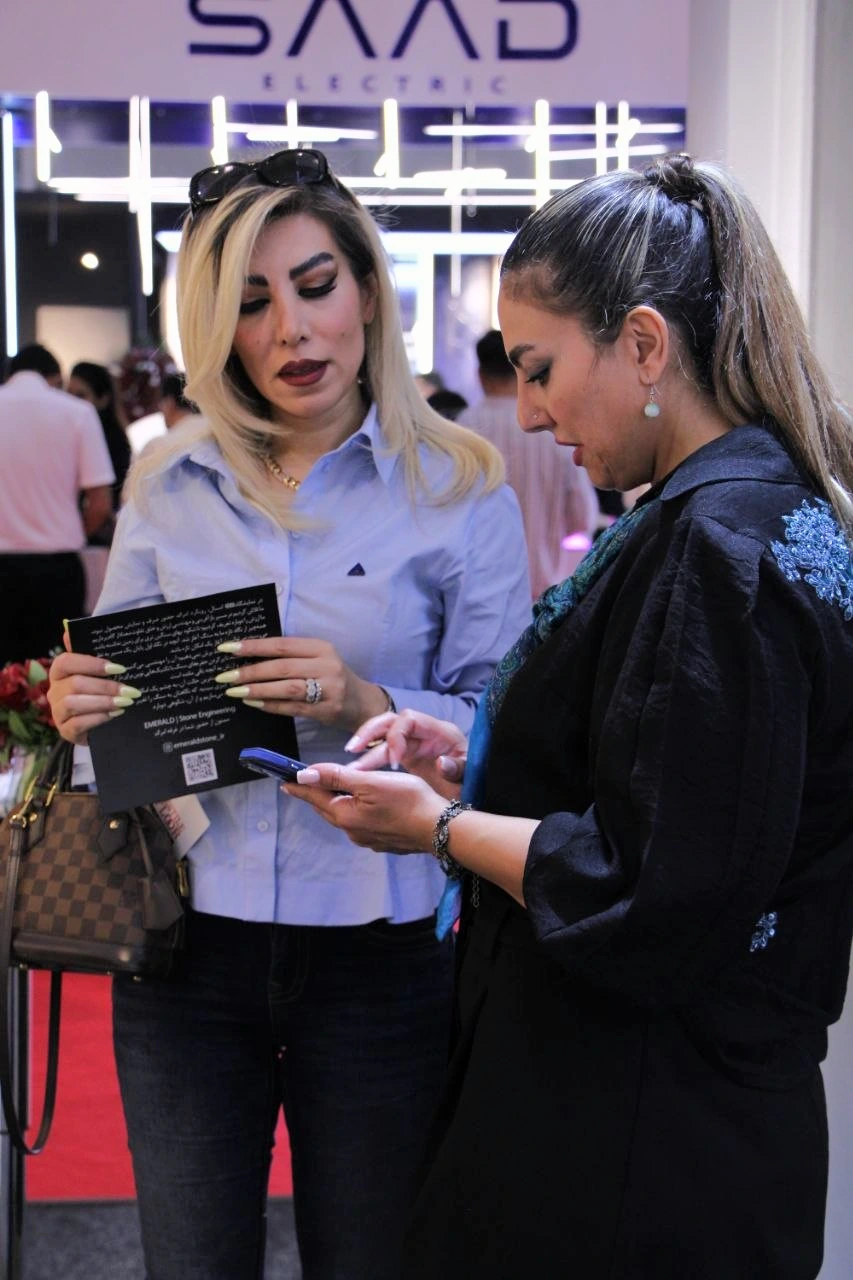
Association members and architects visiting the Emerald stand
Visits from Construction Industry Association members
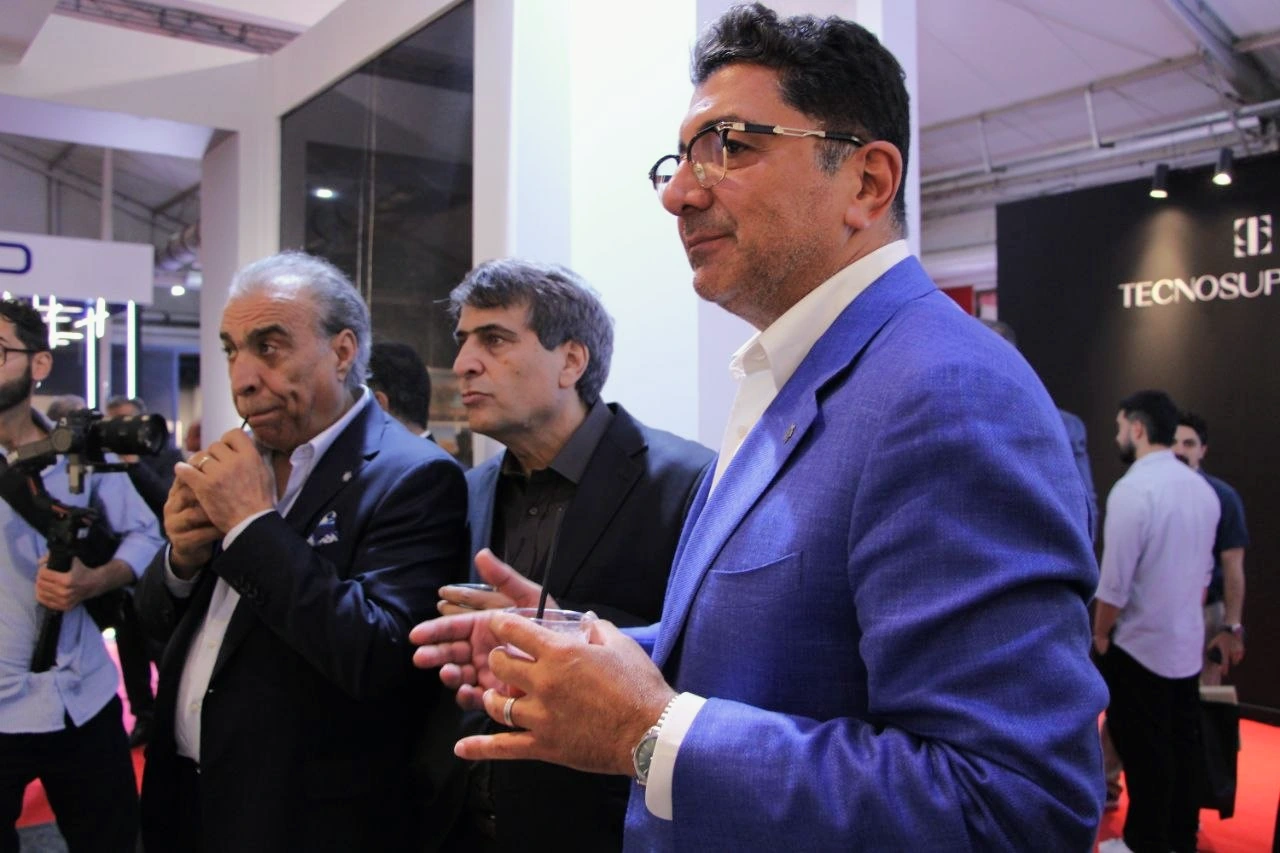
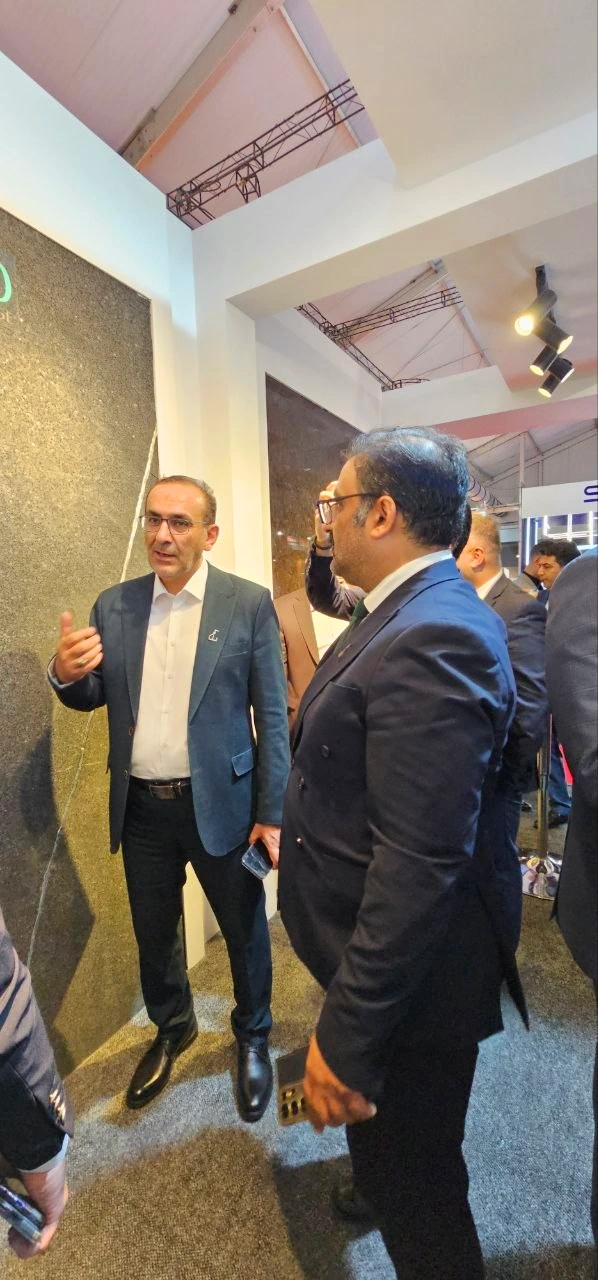
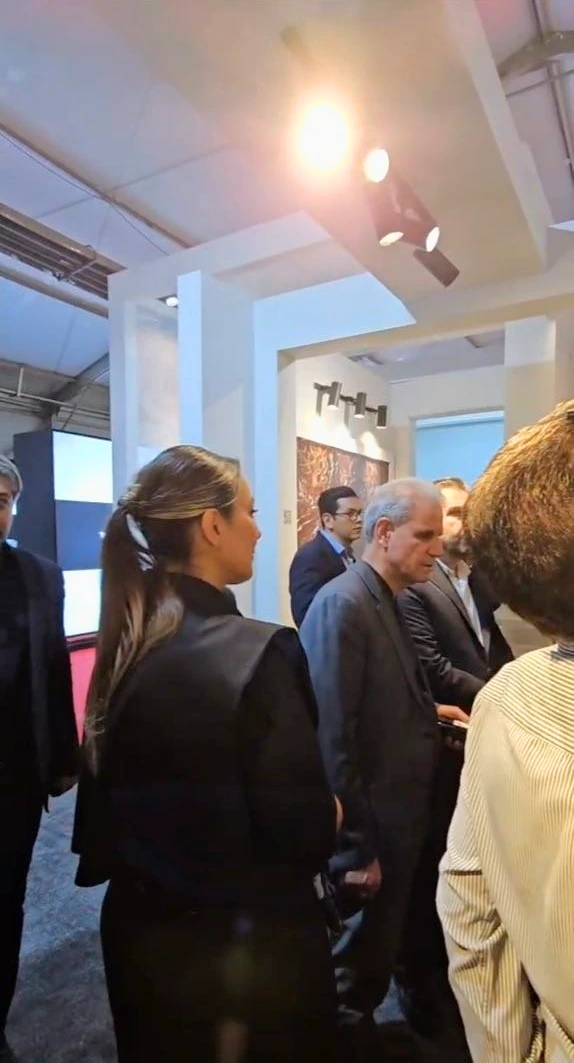
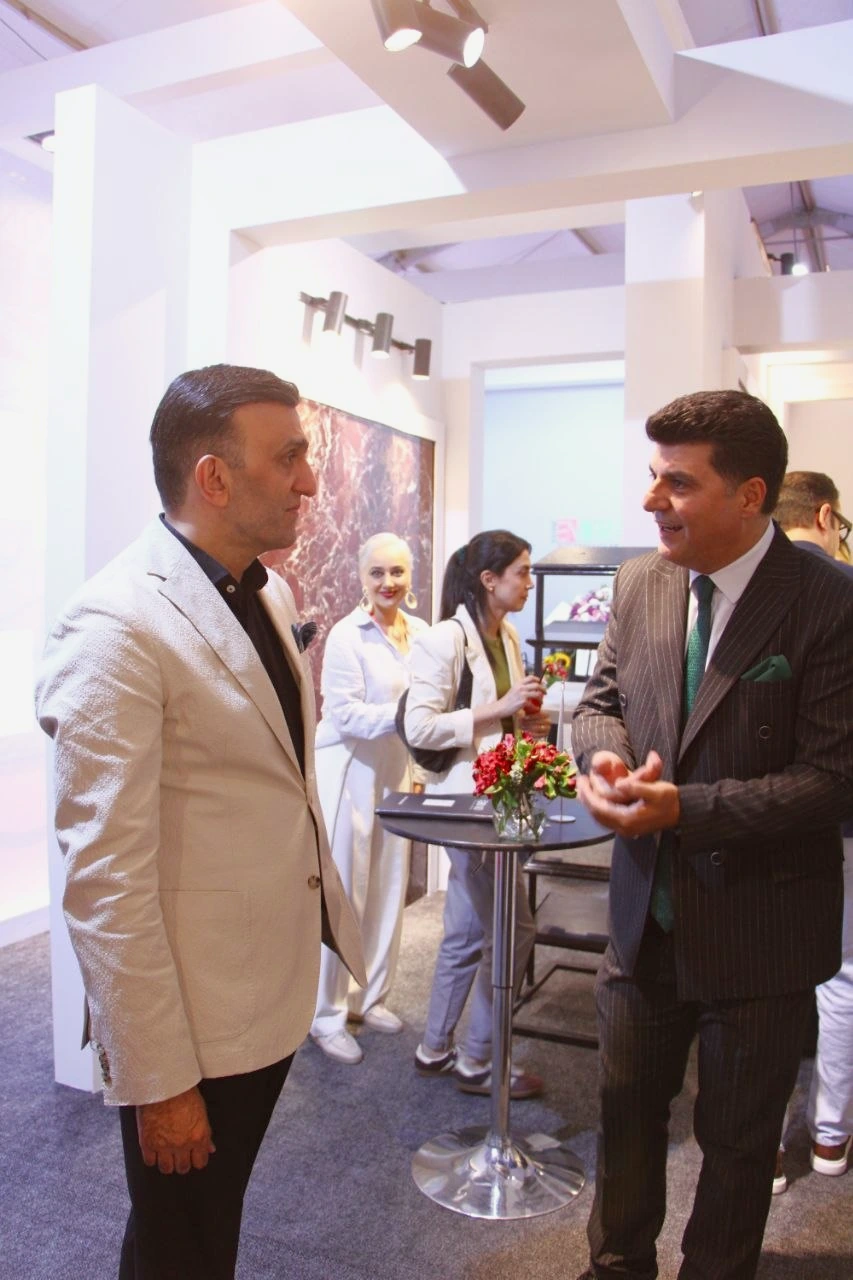
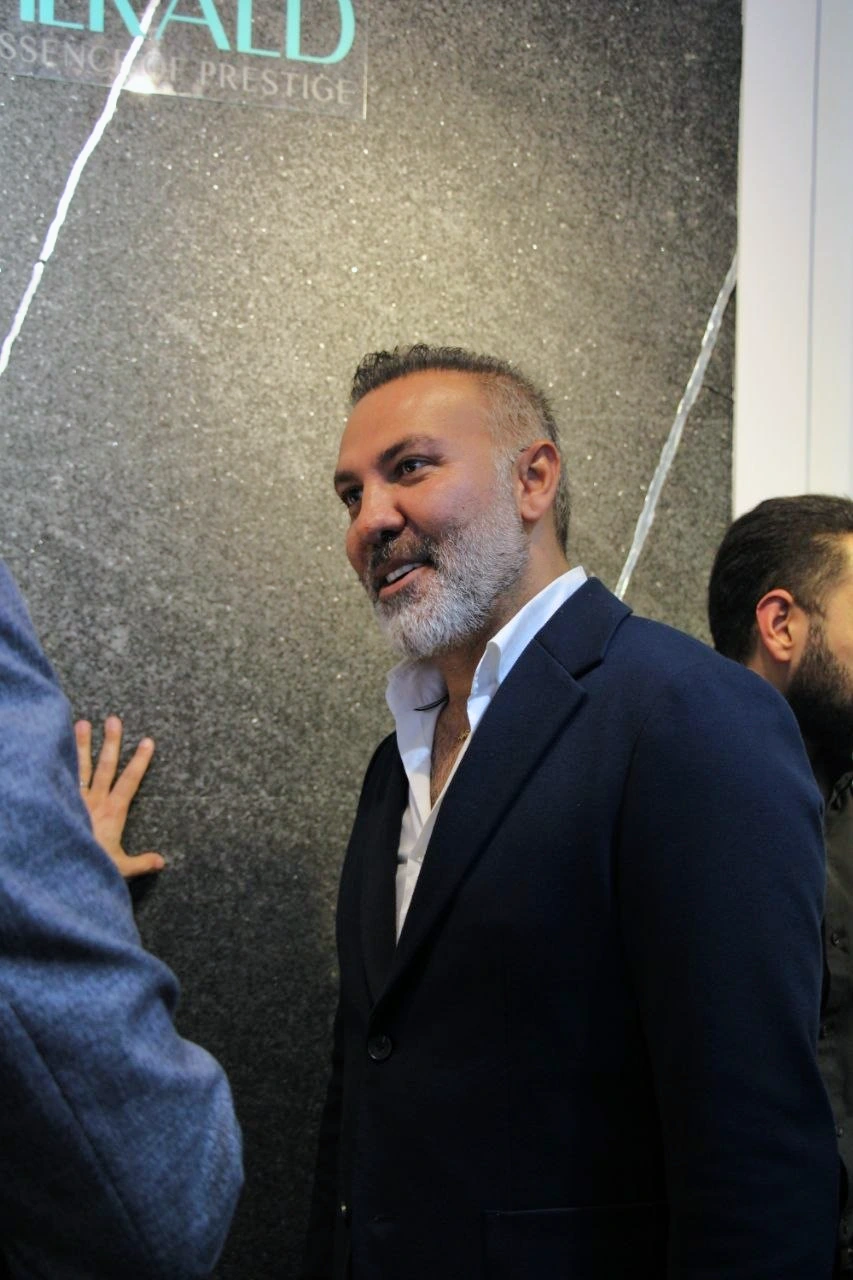
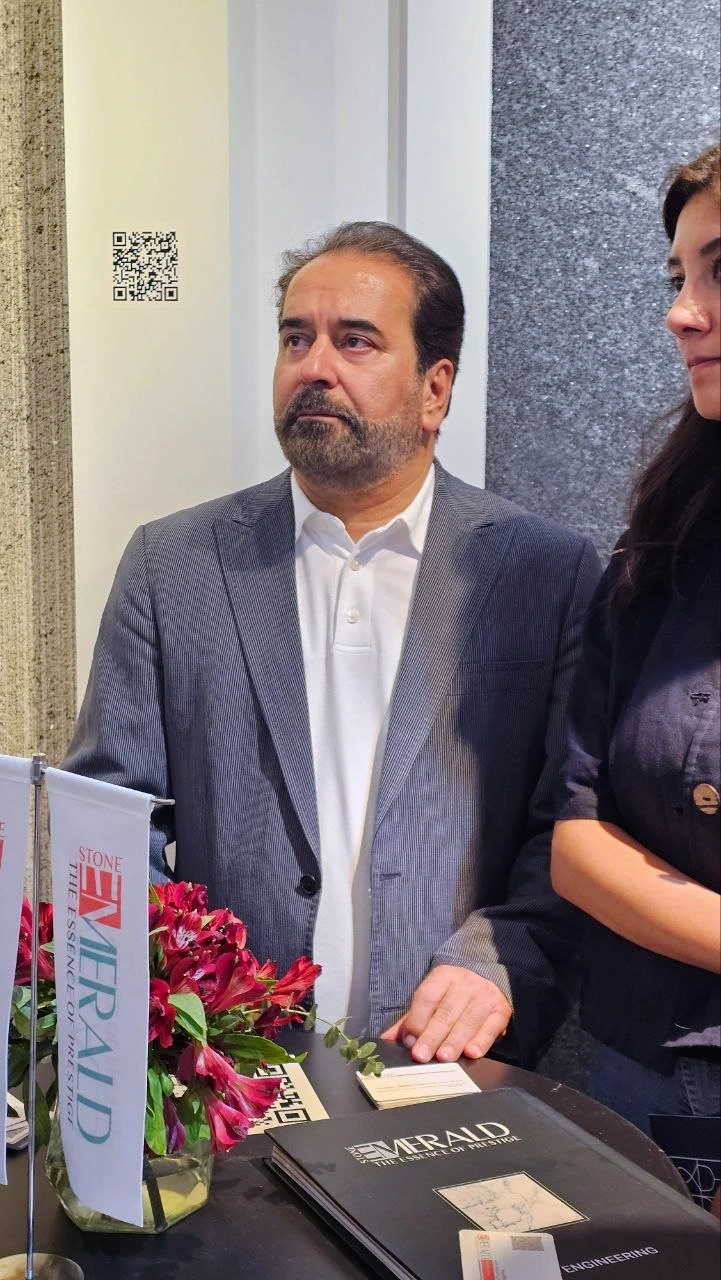
Pejman Jouzi and Abbas Golavi visited the Emerald stand during IBBI. Information about the association and its members is available on the Construction Industry Association website. The photographs below document these visits in Emerald's event archive.
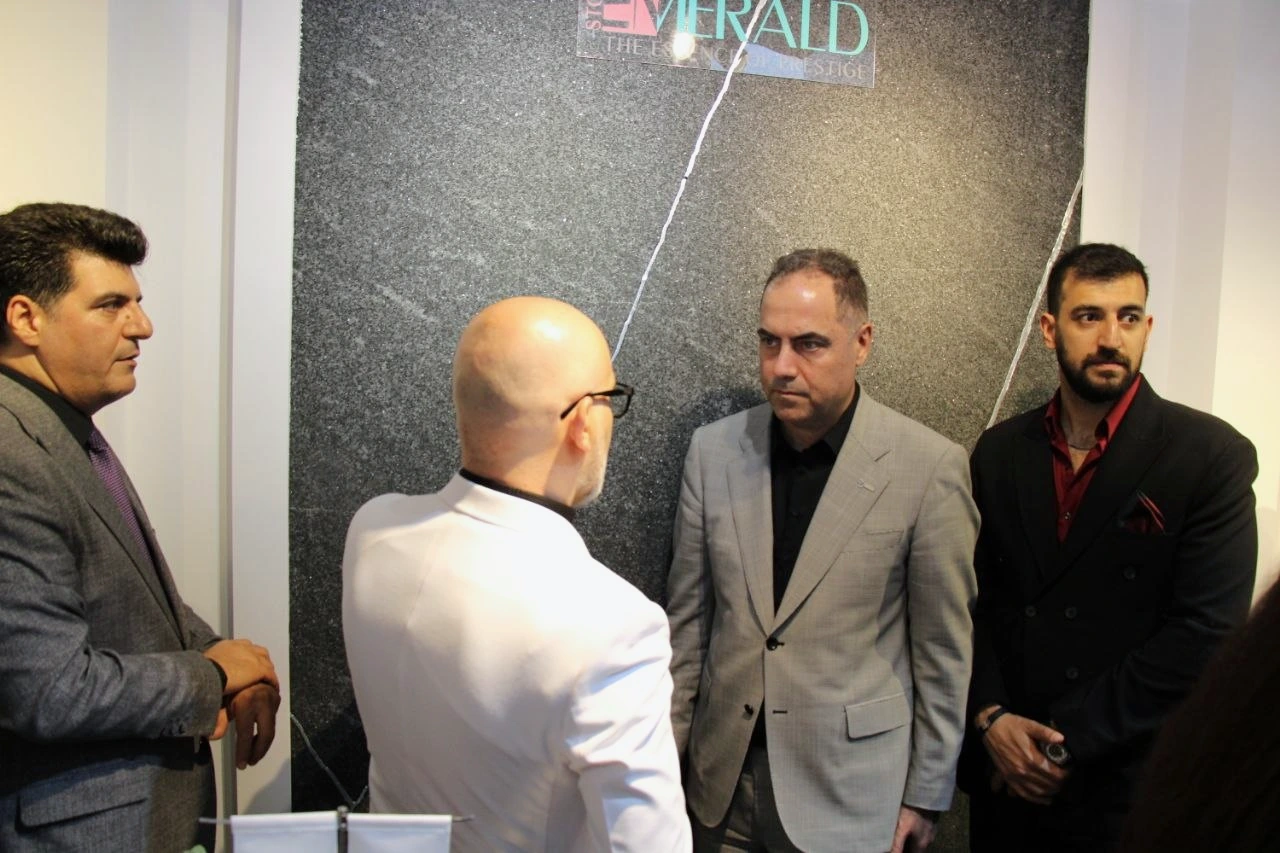
Architects, designers and other guests
Architects Afshin Hojat, Ashkan Azani and Amin Naeimi were among those who attended the stand. Ali Tabar of Imen Sazeh and Engineer Tadayyon also appear in the collection's visitor records. These meetings formed part of Emerald's direct contact with the exhibition's professional audience.
The gallery also records visits by Dr Fallahi of Abnieh Sazan Falak Asa, Dr Mahmoudi, Dr Hoda Yousefi, Ali Tafreshi, Ali Sahih-al-Nasab, Frank Naseri, Farshid Hosseini and Nikroo. Each caption uses the name recorded in the company archive.
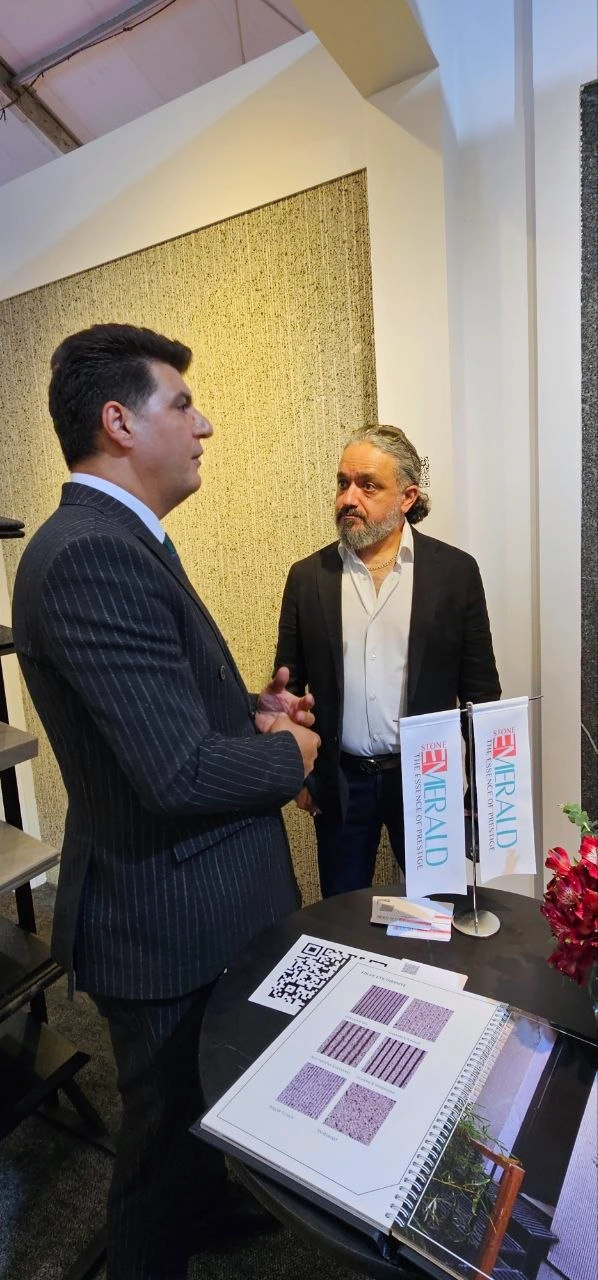
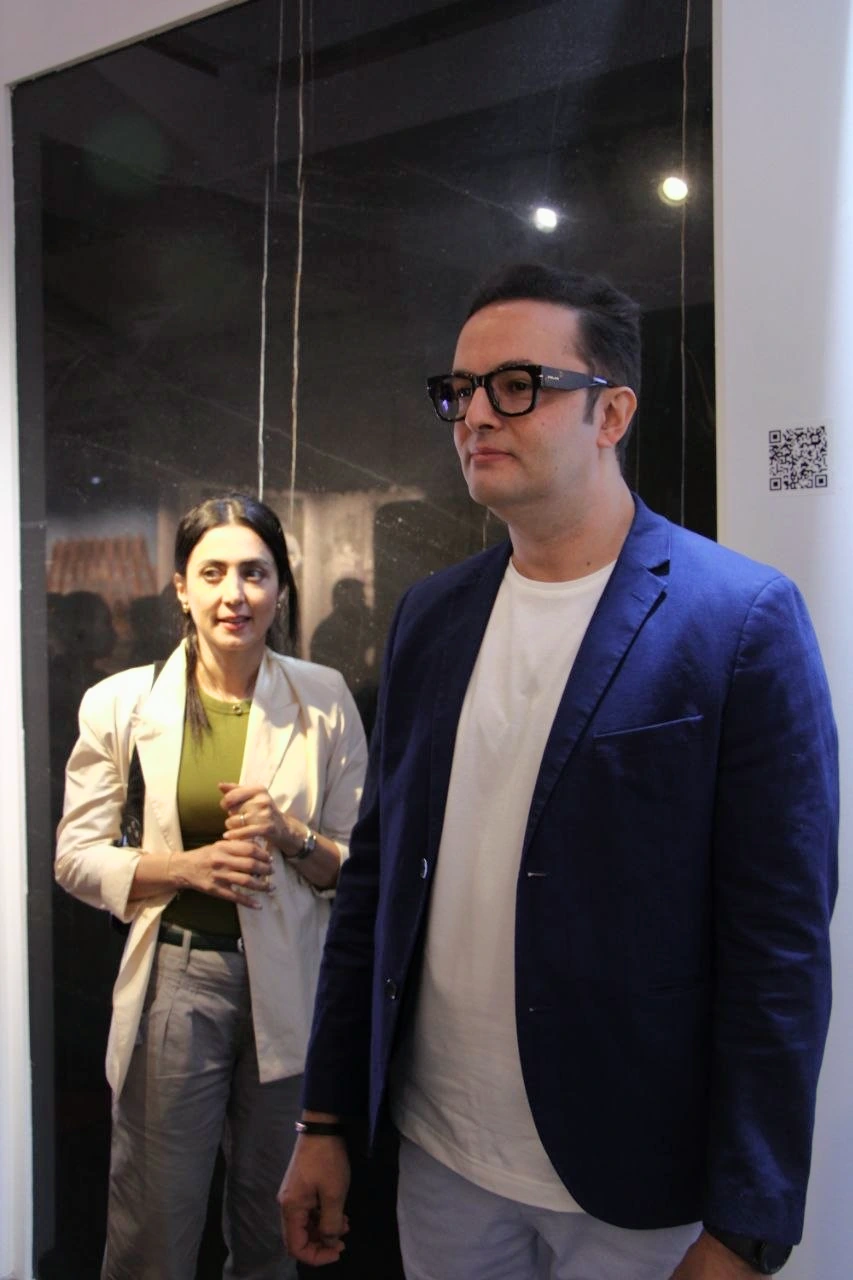
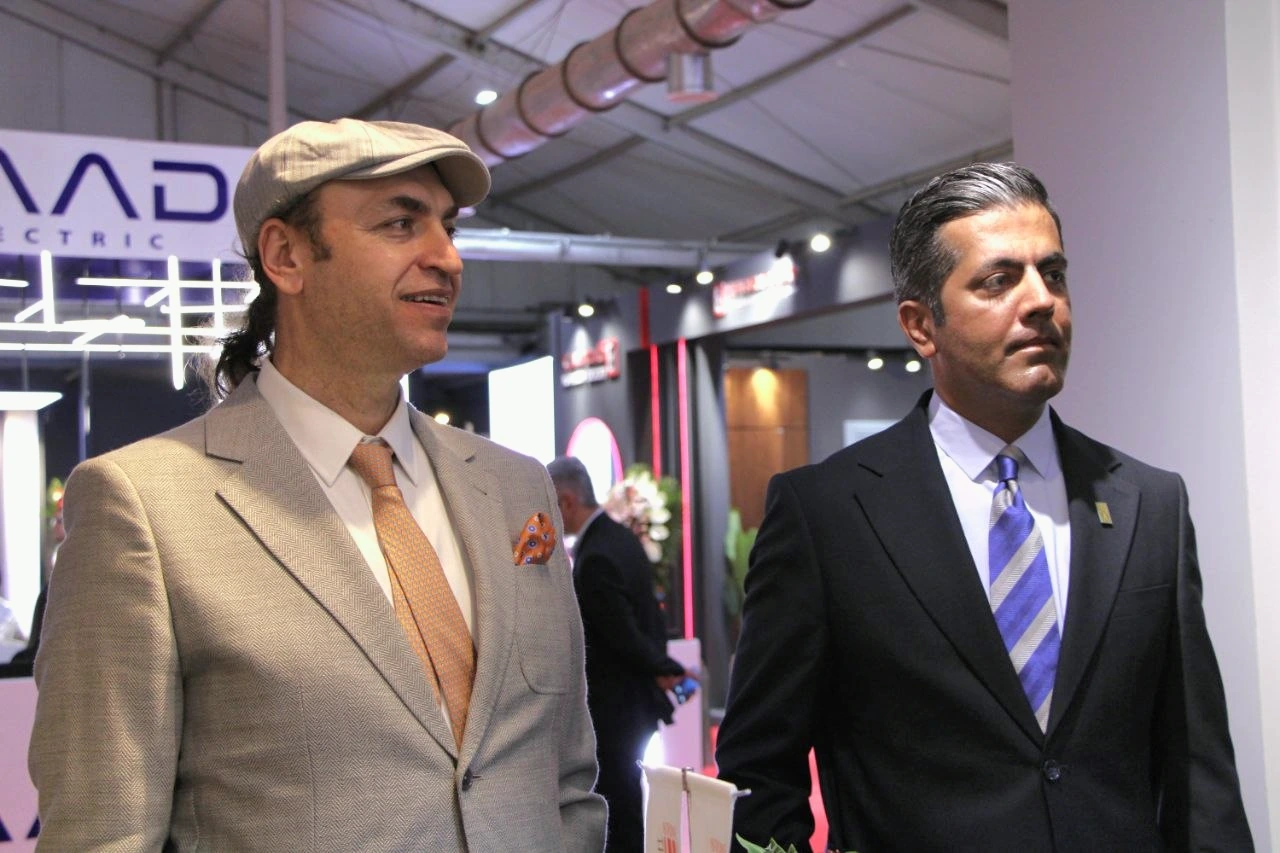
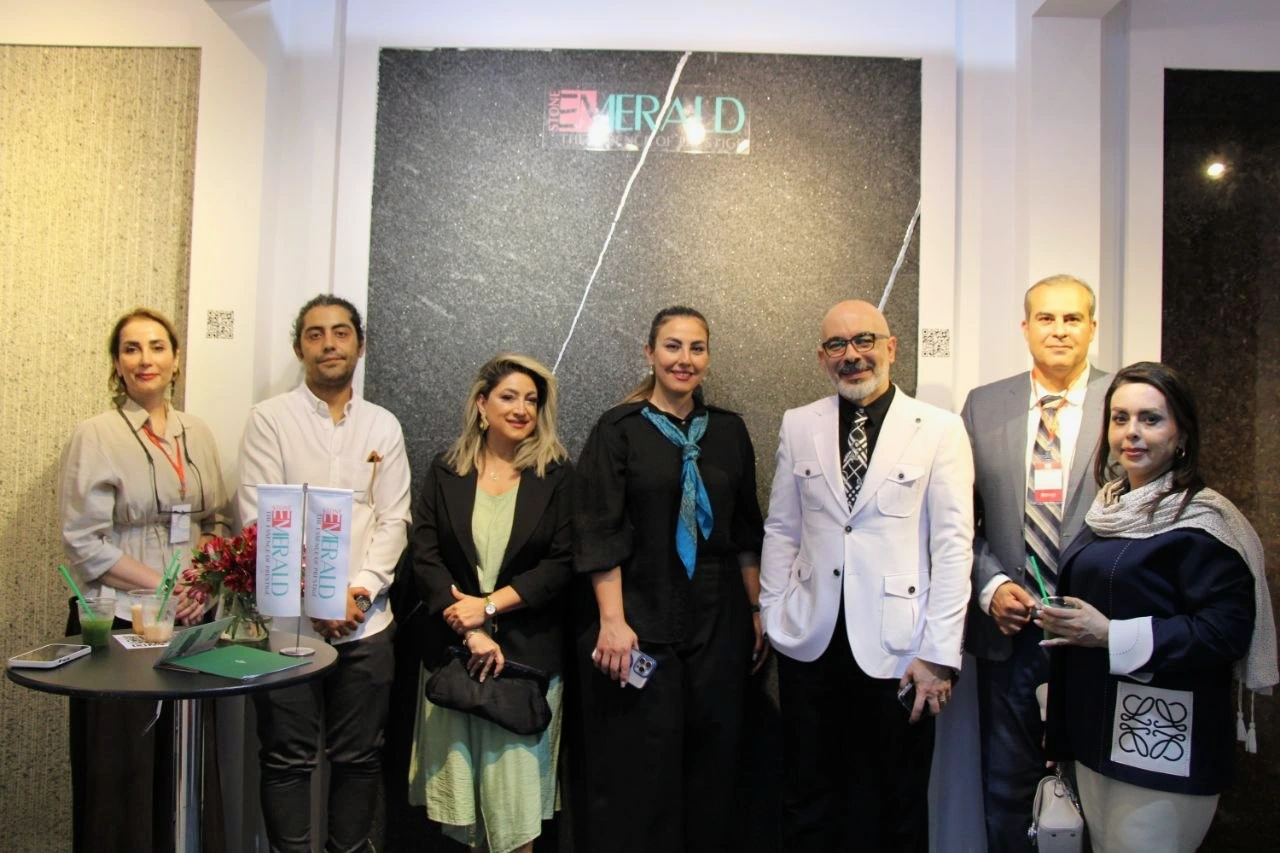
The Emerald team at the exhibition
The team's presence at the stand made it possible to introduce samples and receive visitors' initial enquiries. For continuing the conversation after the exhibition, a product name or sample photograph provides a useful starting point.
Frequently asked questions about Emerald Stone at IBBI
How does Nature Art differ from ordinary natural stone?
In Nature Art, reworking natural veins with metal is part of the manufacturing process. Emerald states that an appropriate alloy is selected for each stone type used. Understanding the finished sample therefore requires assessing its stone, alloy, finish and proposed use together; the base stone's specifications alone are not sufficient.
Does adding metal make the stone stronger?
Metal within a vein does not, by itself, demonstrate improved strength. Assessment should focus on the finished product, the quality of the interface and the intended service conditions. Any technical claim about strength or durability requires relevant test results and sample specifications; appearance alone cannot establish that claim.
What is the best application for Nature Art?
There is no single best application for every Nature Art sample. Suitability depends on the stone, alloy, dimensions, finish and environmental conditions. Architects and developers should describe the proposed use and project requirements so that the particular sample and its installation details can be evaluated specifically.
How can I obtain specifications for the exhibition samples?
Send a sample photograph or product name with the intended application, approximate project area and required timeframe. This helps the Emerald team identify the piece shown at IBBI and respond more precisely about product specifications and the next steps for reviewing an order.
Continuing the conversation after IBBI
Emerald Stone at IBBI 2026 provided a setting for introducing Nature Art and meeting architects and construction professionals. Nature Art centres on reworking stone veins with metal, with alloy selection adapted to the stone as part of the company's stated approach.
Turning that introduction into an appropriate specification requires considering the physical sample, technical information and project conditions together. Product names and exhibition photographs begin the conversation; execution decisions should be based on the particulars of the order.
Contact the Emerald team for Nature Art sample information and help reviewing stone for your project. Include a photograph, the intended application and initial project details so the discussion starts with a clearly identified requirement.
Contact us to discuss a Nature Art sample for your project.
Request specifications and stone selection advice